
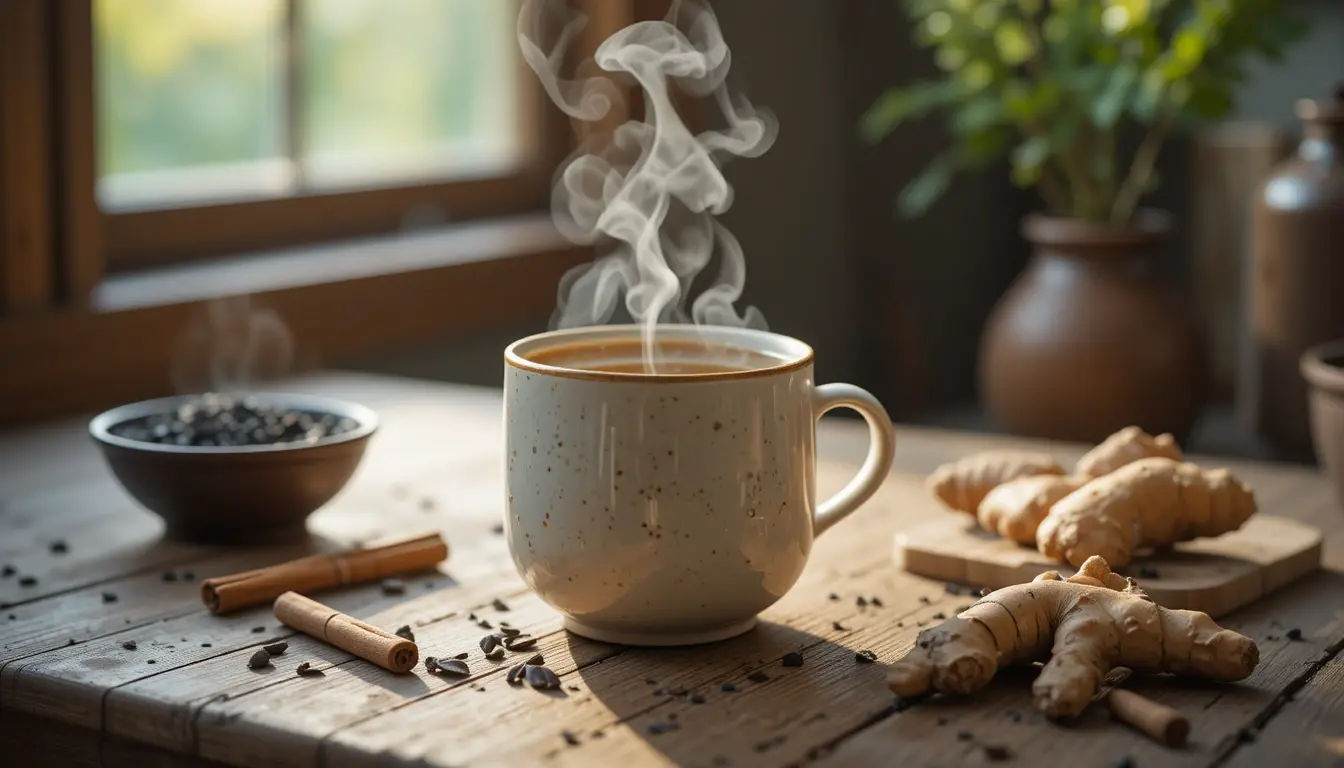
Pulhia tea sits right in that sweet spot between comfort and clarity, and I keep coming back to it when I want something warm, steady, and easy to make. In this guide, I’ll walk you through what goes into pulhia tea, how I build a pulhia tea recipe at home, and how to serve it hot or iced while keeping the flavor smooth. You’ll also see caffeine choices, spice options, and a simple way to make this feel like a natural mounjaro tea recipe moment, without complicating your day.
Pulhia tea, why this cup feels like home
Some recipes meet you right where you stand, and pulhia tea does that for me. I live just outside Asheville, and when the fog sits low on the Blue Ridge, I reach for pulhia tea because it feels steady and familiar. Back in my Midwest days, I learned in diners and small bistros, not classrooms.
So I still cook, and steep, by instinct. I test a pulhia tea recipe the same way I test a stew, I taste early, then I adjust. Because of that, pulhia tea never feels like a rigid formula to me. Instead, it feels like a warm routine I can repeat on a busy writing day or after a long walk. If you like recipes with a story.

Pulhia Tea Recipe

Ingredients
- 2 cups water
- 1 teaspoon black tea leaves OR herbal tea for caffeine-free
- 1 small piece fresh ginger optional
- 1 pinch cinnamon or cardamom optional
- 1/4 cup milk or plant-based milk optional
- 1 –2 teaspoons sugar or honey to taste
Instructions
- Bring the water to a gentle boil in a small saucepan.
- Add tea leaves or herbs and any spices you’re using.
- Lower the heat and let simmer for 2–3 minutes.
- Add milk if desired and heat gently without boiling hard.
- Turn off heat, sweeten to taste, and stir.
- Strain into a cup and serve warm, or let cool for iced tea.
Notes
Calories: 70
Carbohydrates: 12 g
Protein: 2 g
Fat: 2 g
Saturated Fat: 1 g
Unsaturated Fat: 1 g
Trans Fat: 0 g
Cholesterol: 5 mg
Sodium: 30 mg
Sugar: 10 g
Fiber: 0 g
What pulhia tea means in my kitchen, and how it tastes
Pulhia tea tastes clean, gently spiced, and softly sweet when you manage the simmer and keep the steep short. First, the tea brings structure. Then, ginger can add a bright little lift, especially when you slice it thin. After that, cinnamon or cardamom can warm the finish without taking over. Finally, milk can smooth the edges and make the cup feel richer. Because you control every step, you can steer pulhia tea toward brisk and simple, or creamy and cozy. Many people also like this style because it fits a consistent daily routine, similar to how someone might rotate a natural mounjaro tea recipe into their week.
The core ingredients, plus smart swaps for your pantry
Water (2 cups)
Swap, none needed, use filtered water for a cleaner taste
Tea base (1 teaspoon black tea leaves or herbal tea)
Swap, choose herbal tea for a caffeine free cup
Fresh ginger (1 small piece, optional)
Swap, use a tiny pinch of ground ginger if that’s what you have
Spice (1 pinch cinnamon or cardamom, optional)
Swap, skip it for a simpler cup, or use the spice you like most
Milk (1/4 cup milk or plant based milk, optional)
Swap, any plant based milk works well, add it for a smoother finish
Sweetener (1 to 2 teaspoons sugar or honey, to taste)
Swap, honey tastes softer and floral, sugar tastes clean and direct
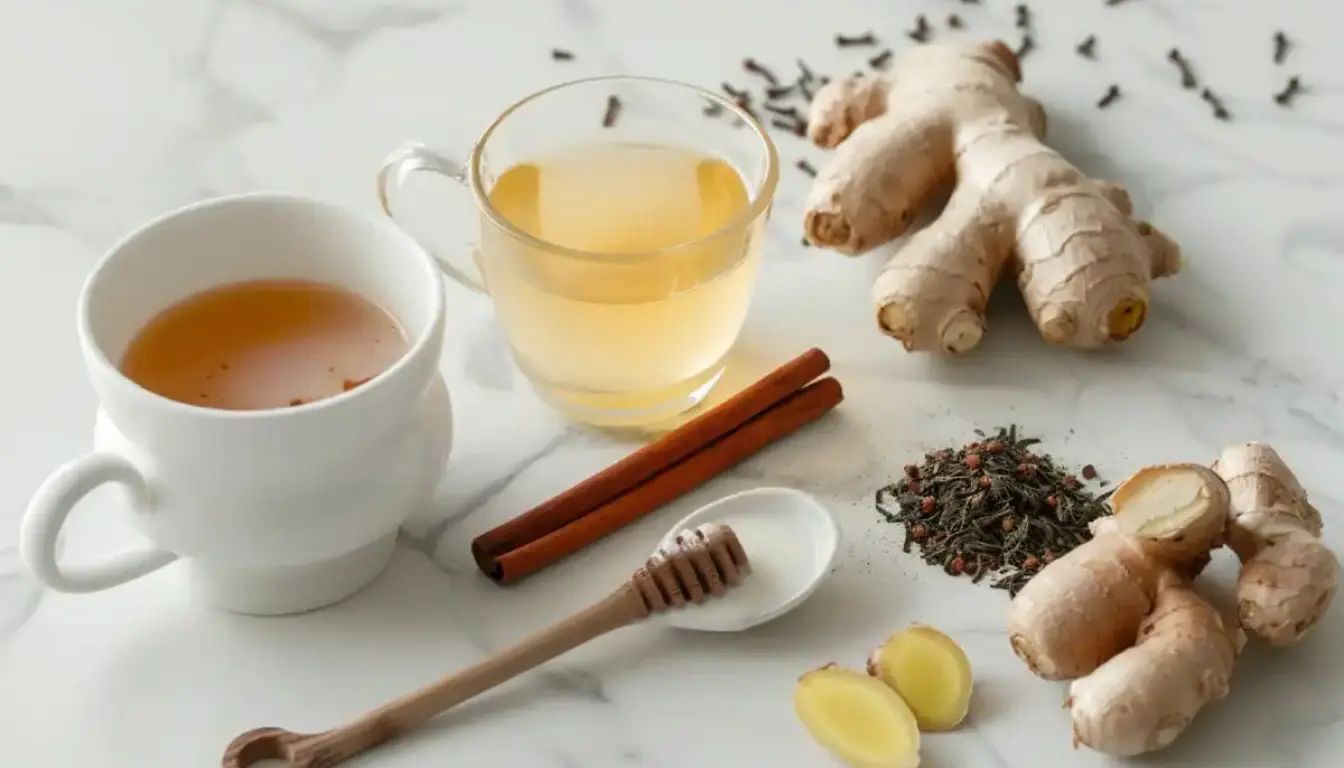
Pulhia tea recipe, step by step at home
When I make pulhia tea at home, I keep the process steady so the flavor stays smooth. Also, I aim for gentle heat, because high heat can turn the cup harsh fast. This pulhia tea recipe uses simple pantry ingredients, so you can repeat it any day you want a warm, comforting drink.
Natural mounjaro tea recipe style choices, without bitterness
If you want pulhia tea to feel clean and easy to repeat, choose your tea base first. Use black tea leaves when you want a stronger cup, or choose an herbal blend when you want caffeine free. Next, keep ginger and spices light, because a little goes a long way. Then watch the color as it simmers, since darker tea can taste sharp if you push it too far. Finally, strain right away when it tastes balanced, since extra steep time can bring bitterness.
Timing, heat, and sweetness so the flavor stays balanced
Follow these steps and you’ll get a reliable pulhia tea recipe every time.
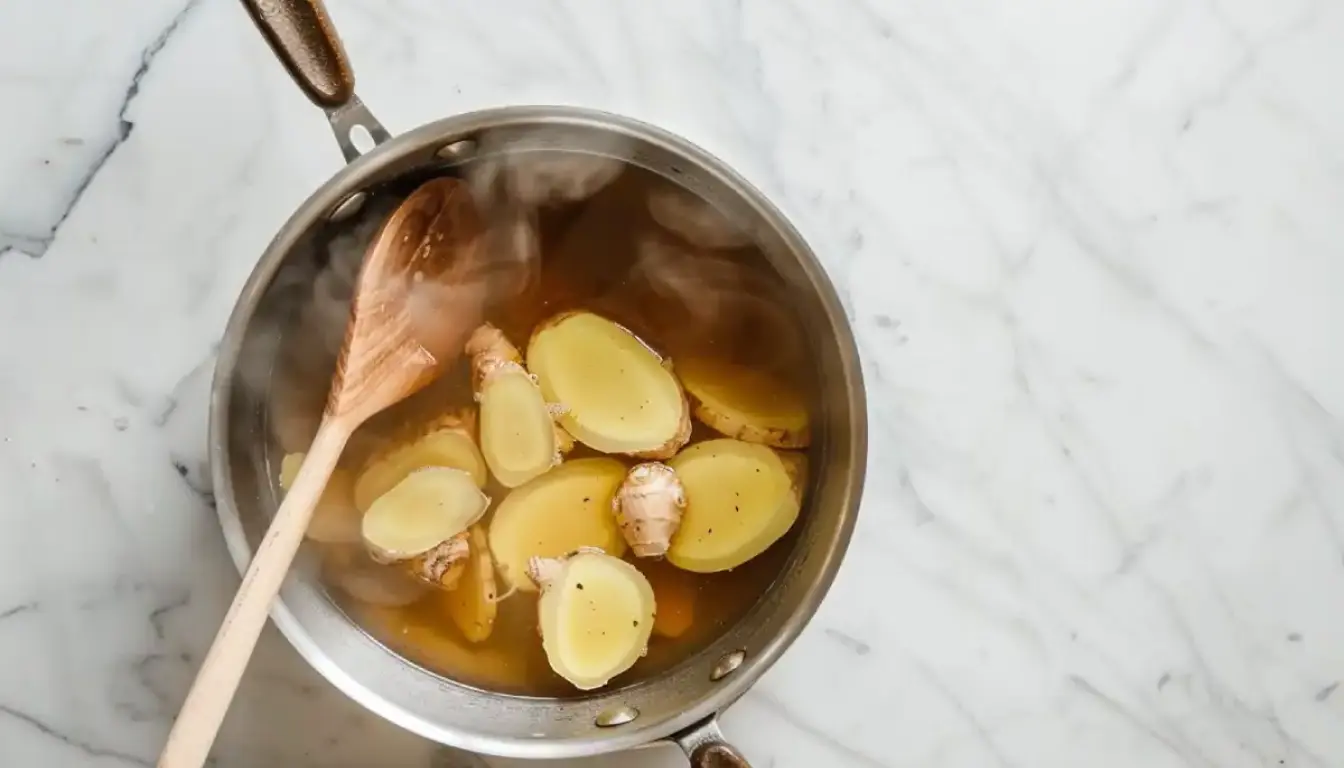
- Bring 2 cups of water to a gentle boil in a small saucepan.
- Add 1 teaspoon black tea leaves, or add an herbal tea blend for a caffeine free option.
- Add a small piece of fresh ginger if you want extra warmth.
- Add a pinch of cinnamon or cardamom if you want a spiced finish.
- Lower the heat, then simmer for 2 to 3 minutes.
- Add 1/4 cup milk or plant based milk if you want a creamier cup.
- Warm gently for a short moment, then turn off the heat.
- Sweeten with 1 to 2 teaspoons sugar or honey, then stir well.
- Strain into a cup and serve warm, or let it cool for iced pulhia tea.
If you want a quick guide for results, use this simple timing, no chart needed. For a smooth and mild cup, simmer closer to 2 minutes and keep spices light. For a cozier and stronger cup, simmer closer to 3 minutes and add ginger, plus milk if you like a softer finish.
Pulhia tea recipe serving ideas for hot or iced
When you finish a pulhia tea recipe, how you serve it matters almost as much as how you simmer it. So I think about temperature first, then sweetness, then texture. If I want a slow, cozy sip, I keep pulhia a tea warm and creamy. If I want something brighter, I cool pulhia tea and build it into an iced drink that still tastes full. Either way, I keep the flavors simple, because pulhia of tea tastes best when nothing crowds it out.
Hot pulhia tea, cozy spiced variations
Serve pulhia tea warm when you want comfort and steady flavor. Start with your base cup, then choose one small upgrade.
- Add milk or plant based milk for a softer, rounder finish.
- Add a thin slice of ginger for a brighter, warming note.
- Add a pinch of cinnamon or cardamom for gentle spice.
- Add honey for a softer sweetness, or sugar for a clean sweetness.
- Keep the cup covered for 1 minute before serving, so the aroma settles.
If you want a richer hot pulhia tea, use slightly more milk and slightly less sweetener, because the milk makes the cup taste sweeter on its own.
Iced pulhia tea, quick chill methods and dilution tips
Iced pulhia tea tastes best when you plan for dilution, since ice melts fast. So I either chill it first, or I pour it over ice with intention.
- Let the tea cool to room temperature, then refrigerate until cold.
- Or pour warm tea over a full glass of ice, then stir for 10 seconds.
- Taste, then add a small splash of milk if you want a creamy iced version.
- Sweeten a touch more than you would for hot tea, because cold dulls sweetness.
If you want more cozy, story driven recipes from my kitchen outside Asheville, start at recipessmoked.com and follow whatever calls your name next.
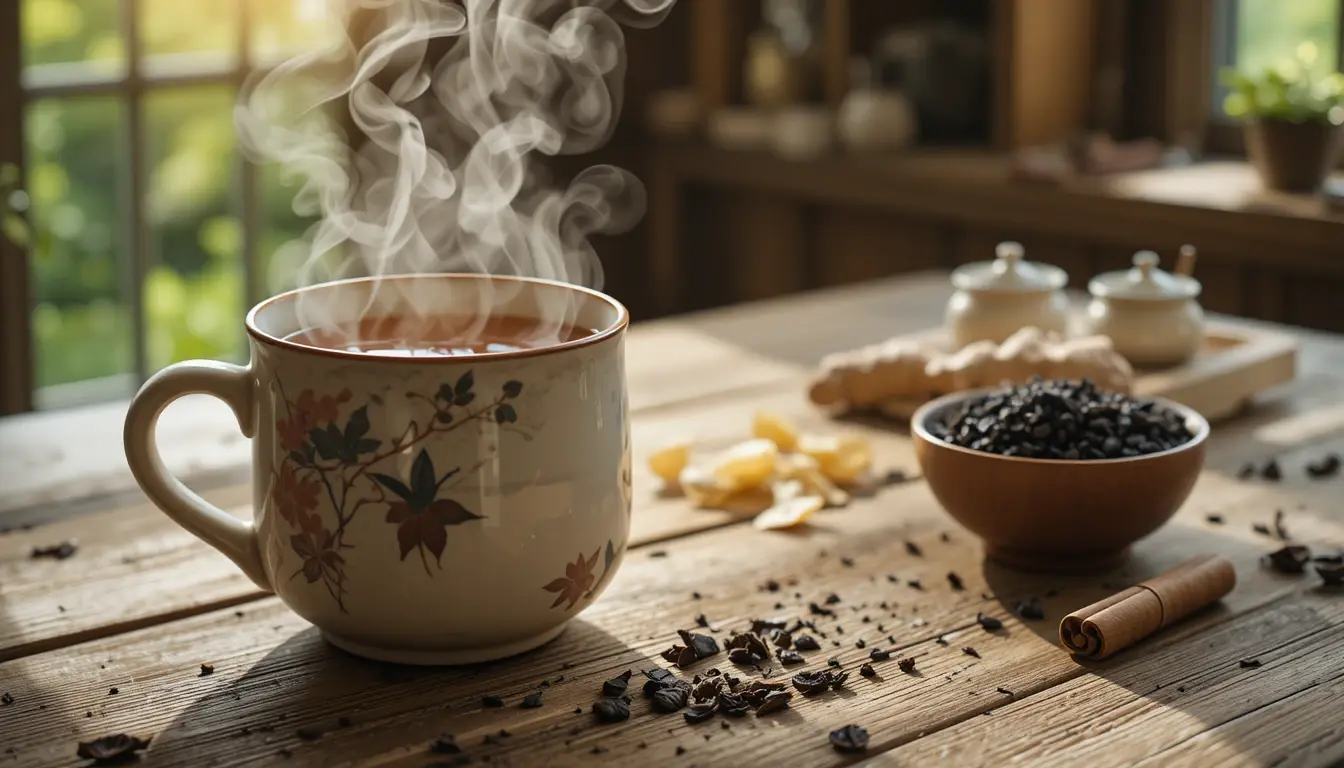
Pulhia tea recipe troubleshooting and storage
Even a simple pulhia tea recipe can taste different from day to day, because tea strength, heat, and timing shift fast. So I treat pulhia a tea like a small sauce, I taste, I adjust, then I serve. Once you learn a few quick fixes, you can make pulhia of tea taste smooth and balanced every time, even when you swap tea types or change sweeteners. If you want more cozy drink ideas to pair with this routine.
Fix weak tea, harsh tea, or cloudy tea fast
Use these quick corrections while the tea is still warm.
- Tea tastes weak: Simmer 30 to 60 seconds longer, then strain. Next time, add a little more tea, about 1/4 teaspoon more.
- Tea tastes harsh or bitter: Add a splash of milk or plant based milk, then add a small touch of sweetener. Next time, simmer closer to 2 minutes, and strain sooner.
- Spice tastes too strong: Add a little more water, then rewarm gently. Next time, use half the spice.
- Tea tastes flat: Add a thin slice of fresh ginger, then simmer 30 seconds more.
- Tea looks cloudy: You likely boiled the milk too hard or simmered too long. Next time, keep the heat gentle after you add milk, and strain right away.
Make ahead, store, and reheat with consistent results
Pulhia tea works well for make ahead, as long as you store it the right way.
- Make ahead: Brew the tea base, strain it, then cool it. Add milk and sweetener right before serving for the cleanest flavor.
- Fridge storage: Store in a sealed jar for up to 2 days.
- Reheat: Warm gently on the stove, then stir. Do not boil hard, since that can turn the flavor sharp.
- For iced tea: Chill first, then pour over ice. Taste and adjust sweetness, since cold can mute flavor.
FAQs about pulhia tea recipe
What is a pulhia tea recipe made of?
A pulhia tea recipe uses water, a tea base like black tea leaves or an herbal blend, optional ginger, optional cinnamon or cardamom, plus milk or plant based milk if you want a creamy finish. You sweeten it with sugar or honey to taste.
How do you prepare a pulhia tea recipe at home?
Bring water to a gentle boil, add tea and any spices, then simmer 2 to 3 minutes. Add milk if you want it, warm gently, then turn off the heat. Sweeten, stir, strain, and serve warm, or cool it for iced tea.
Is pulhia tea recipe served hot or cold?
You can serve pulhia of tea hot or cold. Hot pulhia tea feels cozy and aromatic. Cold pulhia tea tastes bright and refreshing, especially when you plan for ice dilution.
Does a pulhia tea recipe contain caffeine?
Pulhia tea can contain caffeine if you use black tea leaves. It can also stay caffeine free if you use an herbal tea blend instead.
Conclusion
Pulhia tea keeps things simple, and that’s why it works. You choose the tea base, you control the simmer, and you build the cup with ginger, spice, milk, and sweetness only when you want them. Once you learn the quick fixes, pulhia of tea becomes a reliable daily favorite, hot when you want comfort, iced when you want something lighter. Keep tasting as you go, and you’ll make this pulhia tea recipe feel like yours every time.
Ummmy when I make this, I make an insane amount so I can eat it for days 🤣 So very good!