
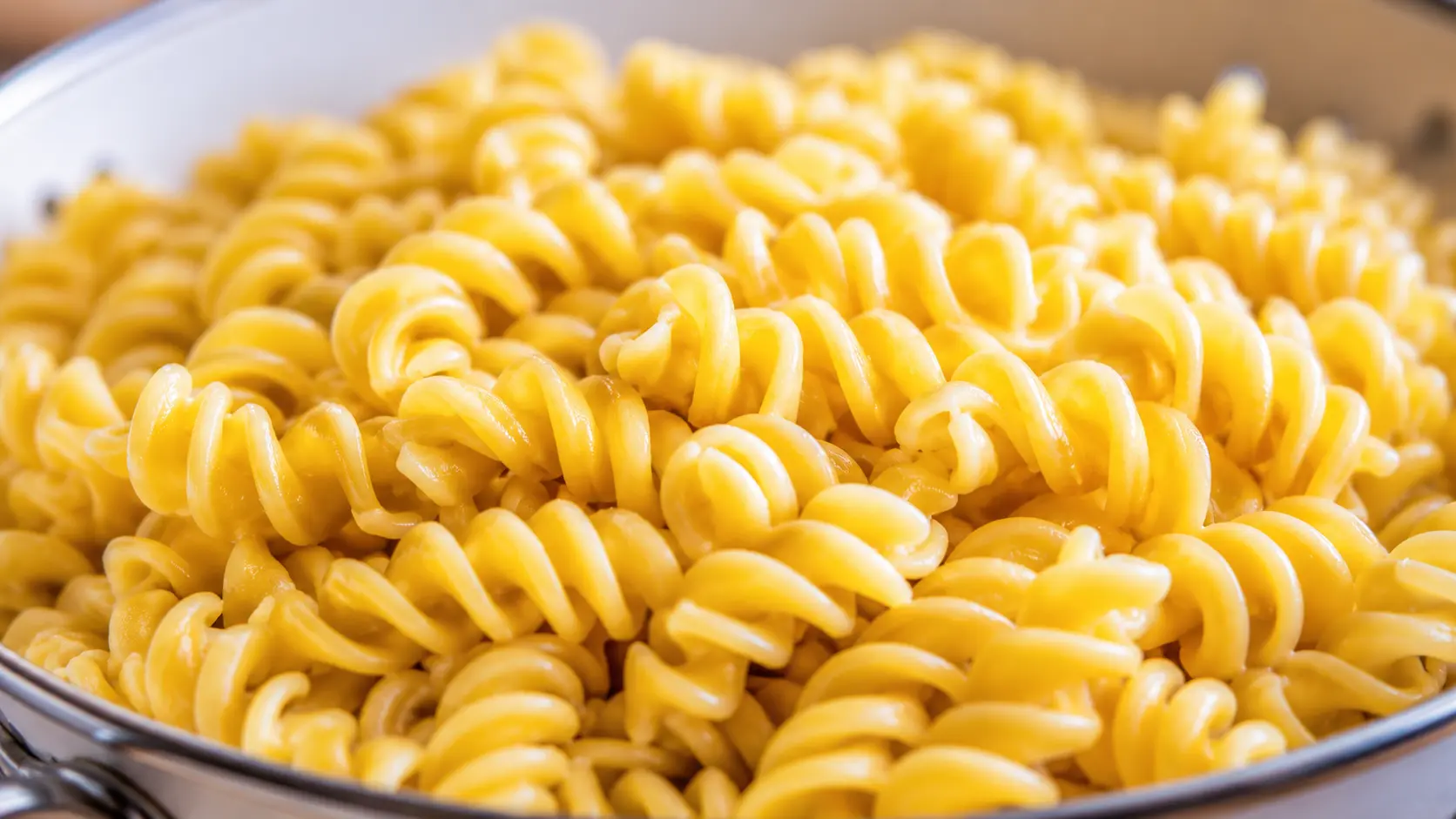
How to cook pasta well starts with a big pot, enough salt, and a little patience. I know it sounds almost too simple, but this small kitchen skill can change a weeknight meal fast. In my kitchen just outside Asheville, North Carolina, I still reach for dried pasta when I want something steady, warm, and generous. First, I bring six quarts of water to a rolling boil. Then, I add three tablespoons salt and one pound dried pasta. From there, timing matters. For sauce, I stop one minute early.
For cold salad, I cook to the package time. Also, I never rinse pasta for this method, because the starch helps sauce cling. In this guide, I’ll walk you through the full stovetop method, make-ahead tips, salad timing, and microwave questions.
How to Cook Pasta Starts With a Simple Kitchen Rhythm
Why This Everyday Skill Still Matters
I learned how to cook pasta in kitchens where nobody had time to make a mystery out of dinner. In the diners and bistros where I worked, a pot of pasta could save a rushed lunch service or pull together a comforting supper in minutes. Still, the cooks around me treated it with respect. They watched the boil. They salted the water. They stirred early. Most of all, they tasted before they trusted the timer.
That lesson followed me from those busy kitchens to my home just outside Asheville, North Carolina. When the air turns cool in the Blue Ridge, I still love the sound of dried pasta hitting boiling water. It feels humble, steady, and deeply useful. A pound of pasta, six quarts of water, and three tablespoons of salt can feed a table without making the cook feel stressed.
How to cook pasta well starts with rhythm. First, fill a large pot with six quarts of water. Then bring it to a strong boil. Next, add the salt, followed by the dried pasta. Stir right away, because that first stir keeps the pieces moving and helps prevent sticking. After that, keep the heat steady until the water returns to a boil.
I like this method because it gives the pasta space. Crowded pasta turns gummy fast. Also, unsalted pasta tastes flat, even under a good sauce. So, when readers ask how to cook pasta with better flavor, I always start with the water, not the topping.
What Good Pasta Should Taste and Feel Like
Good pasta should taste seasoned, tender, and still lively. It should not feel mushy or dull. When you bite into it, you want a little firmness, especially if you plan to finish it in warm sauce. That small bite gives the pasta room to finish cooking while it absorbs flavor.
How to cook pasta for sauce means stopping one minute before the package time. Then drain it, cool it briefly if needed, and add it to warm sauce. Because the pasta finishes in the sauce, every bite tastes more complete.
If you plan to cool pasta for later, use that same one-minute-early rule. Strain it, cool it briefly, and do not rinse it. Then toss it with olive oil so the pieces stay loose. When you need it, add it to warm sauce or chill it covered.
For cold salad, follow the package time instead. Chilling firms pasta, so it needs a full cook first. After draining, cool it briefly, skip the rinse, toss with olive oil, cover it, and place it in the refrigerator.
How to cook pasta may seem basic, but small choices shape the final bowl. Taste near the end. Stir with purpose. Salt the water before the pasta goes in. Once you learn that rhythm, how to cook pasta becomes less about rules and more about paying attention
How to Cook Pasta

Ingredients
- 1 pound dried pasta
- 6 quarts water
- 3 tablespoons salt
- Olive oil as needed for holding or chilling
Instructions
- Fill a large pot with six quarts water and bring it to a full boil.
- Add the salt, followed by the dried pasta.
- Stir until the water returns to a boil.
- For pasta with sauce or cooling for later, cook for one minute less than the package instructions.
- Strain and cool briefly, but do not rinse. Toss with olive oil.
- When ready to use, add the pasta to warm sauce and finish cooking, or chill it covered.
- For cold salad, cook according to the package instructions.
- Strain and cool briefly, but do not rinse. Toss with olive oil.
- Place in the refrigerator covered until ready to use.
Notes
| Nutrition | Amount |
|---|---|
| Serving Size | 2 ounces dried pasta |
| Calories | 210 |
| Sugar | 2g |
| Sodium | 530mg |
| Fat | 1g |
| Saturated Fat | 0g |
| Unsaturated Fat | 1g |
| Trans Fat | 0g |
| Cholesterol | 0mg |
| Carbohydrates | 42g |
| Fiber | 2g |
| Protein | 7g |
Ingredients and Tools for How to Cook Pasta
The Three Ingredients That Do the Work
How to cook pasta well starts with three simple ingredients: dried pasta, water, and salt. That short list may look plain, but each ingredient does real work in the pot. When you give each one the right amount of attention, the final pasta tastes balanced, tender, and ready for sauce, salad, or later use.
Start with 1 pound dried pasta. This amount feeds a family table nicely, especially when you serve it with sauce, vegetables, or a simple side. Dried pasta also gives you dependable texture. It holds its shape, cooks evenly, and works for both warm meals and chilled pasta salads.
Next, use 6 quarts water. That generous amount gives the pasta space to move as it cooks. If the pot feels crowded, the pasta can stick together and turn heavy. However, when the water moves freely, the pasta softens more evenly.
Then add 3 tablespoons salt after the water reaches a full boil. Salt should go into the water before the pasta, not after draining. Because pasta absorbs water while it cooks, the salt seasons each piece from within. So, when someone asks how to cook pasta with better flavor, I always start with salted water.
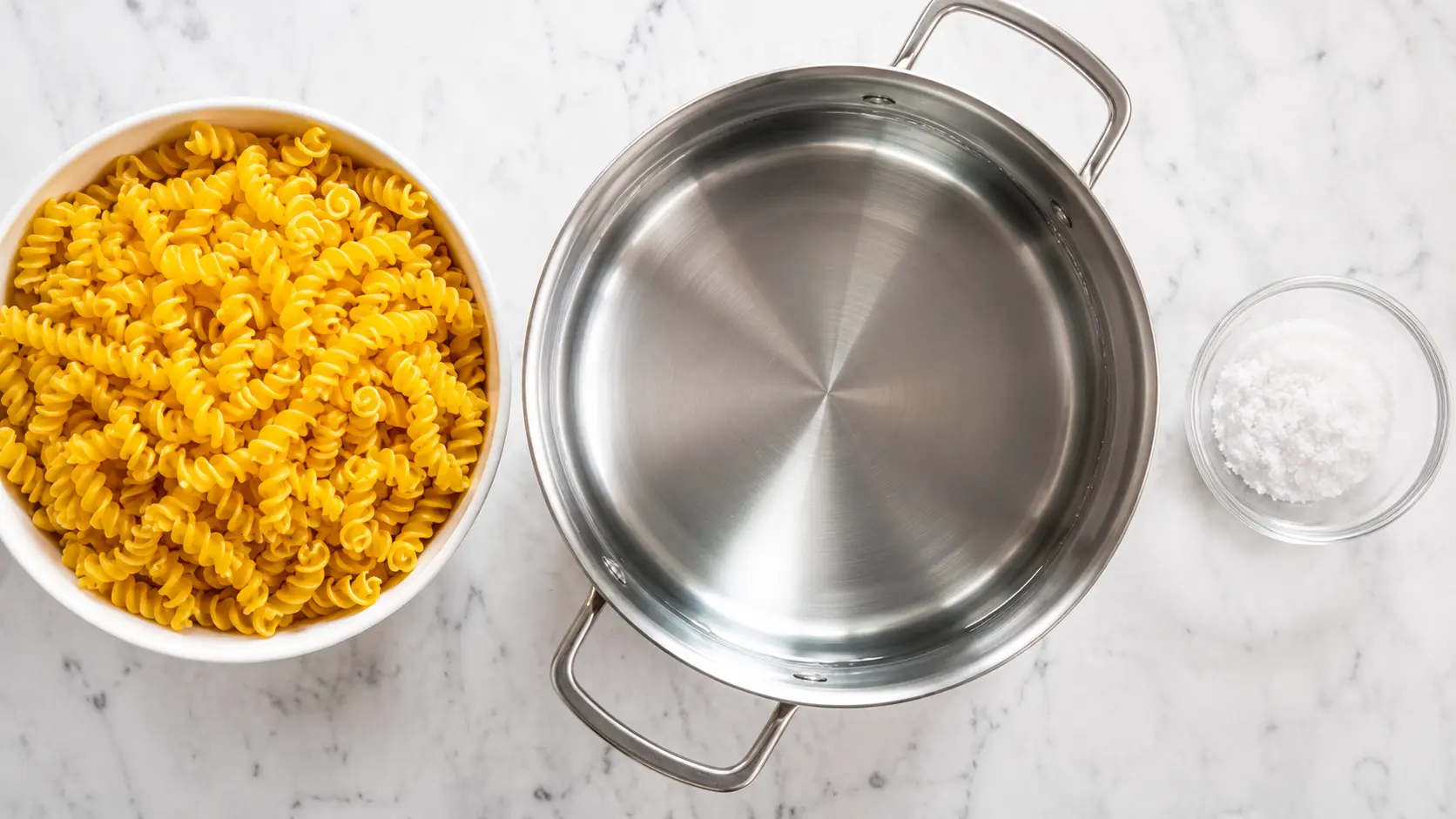
That is why how to cook pasta starts with balance, not extra ingredients.
| Ingredient | Amount | Purpose |
|---|---|---|
| Dried pasta | 1 pound | Gives the meal structure, chew, and body |
| Water | 6 quarts | Lets the pasta move freely and cook evenly |
| Salt | 3 tablespoons | Seasons the pasta while it softens |
Best Pasta Shapes, Pot Size, and Helpful Tools
How to cook pasta also depends on the shape you choose. Spaghetti, linguine, elbows, shells, penne, rotini, and farfalle all cook at slightly different speeds. Thin strands soften quickly, while thicker tubes and twists need more time. Because of that, always read the package directions, then begin tasting about one minute before the suggested time ends.
A large pot gives you the best result for a full pound of pasta. Also, keep a long spoon close by. Stir as soon as the pasta hits the water, then stir again once the water returns to a boil. This habit keeps the pieces loose during the starchiest part of cooking.
You also need a sturdy colander for draining. If you plan to hold the pasta for later or chill it for a cold salad, keep olive oil nearby. After draining, cool the pasta briefly, do not rinse it, and toss it lightly with olive oil. That small step helps the pasta stay loose without washing away the surface starch.
How to cook pasta on the stovetop gives the best texture for a full batch. Still, a microwave pasta cooker can help when you only need a small serving. For a family meal, use the big pot. For a quick lunch, the smaller tool can come in handy.
How to Cook Pasta Step by Step
Boil, Salt, Add, and Stir
How to cook pasta starts before the pasta ever touches the water. Choose a large pot first, because one pound of dried pasta needs space. Then pour in 6 quarts water and place the pot over high heat. Let the water reach a strong, rolling boil. You want steady bubbles across the whole surface, not just a few bubbles around the edge.
Next, add 3 tablespoons salt. Stir once so the salt moves through the water. Then add 1 pound dried pasta. Stir right away with a long spoon. This first stir matters because the pasta begins releasing starch as soon as it hits the hot water. If you leave it alone, the pieces can cling together before the water returns to a boil.
Keep the heat high until the water boils again. Then stir once more. From here, let the pasta cook according to your plan. Since different shapes cook at different speeds, check the package time, but do not follow it blindly. Start tasting near the end. That small bite tells you more than the clock.
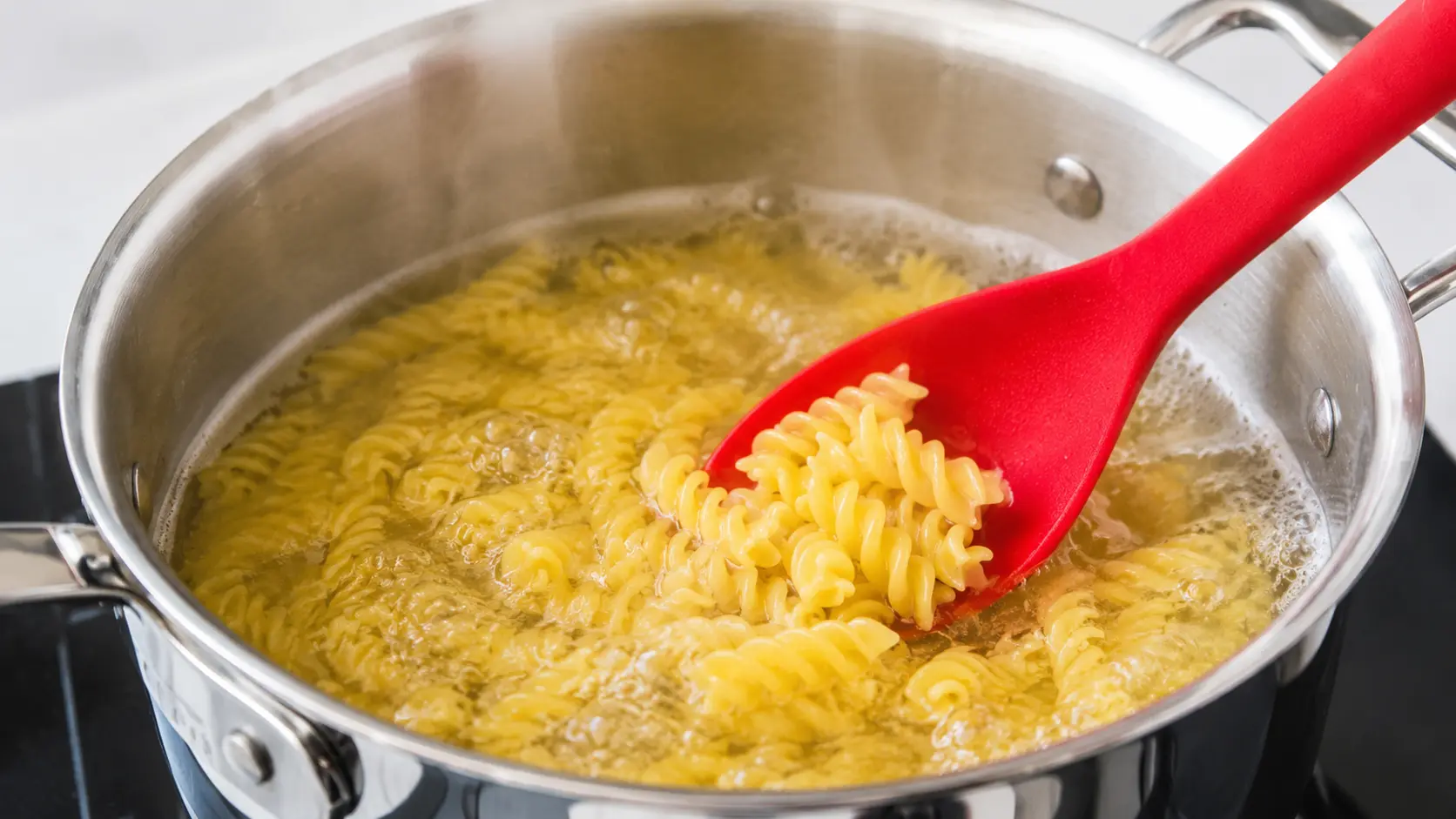
How to cook pasta well means paying attention to feel. Pull out one piece with a spoon, let it cool for a second, then bite it. For sauced pasta, you want the center to hold a little firmness. For cold salad, you want the pasta tender enough to stay pleasant after chilling.
Timing Pasta for Sauce, Later Use, or Cold Salad
The best cooking time depends on how you plan to serve the pasta. For sauce, cook the pasta for one minute less than the package instructions. Then strain it and add it to warm sauce. Finish cooking it there for about one minute, stirring gently. Because the pasta takes in some sauce as it finishes, the final dish tastes more connected.
For pasta you plan to cool and use later, follow the same one-minute-early rule. Strain it, cool it briefly, and do not rinse it. Then toss it with a small amount of olive oil. After that, you can add it to warm sauce when needed or chill it covered.
For cold salad, cook the pasta according to the package instructions. Since cold pasta firms up in the refrigerator, it needs a full cook before chilling. After straining, cool it briefly, do not rinse it, and toss it with olive oil. Then cover it and place it in the refrigerator.
Once you understand how to cook pasta for each use, the timing feels much easier.
| Pasta Use | Cooking Time | After Draining |
|---|---|---|
| Warm sauce | 1 minute less than package time | Finish in warm sauce |
| Cooling for later | 1 minute less than package time | Cool briefly, toss with olive oil, then chill or finish later |
| Cold salad | Package time | Cool briefly, toss with olive oil, cover, and refrigerate |
How to cook pasta becomes easier once you match timing to purpose. For warm sauce, stop early. For cold salad, cook fully. For later use, keep the pasta slightly firm and lightly coated. These small choices give you better texture and better flavor every time.
Serving, Storage, and Microwave Pasta Help
Serving Ideas and Make-Ahead Pasta Tips
How to cook pasta changes a little once you know how you want to serve it. For a warm sauced meal, drain the pasta one minute early and move it straight into the sauce. Then stir it over low heat until the sauce clings to every piece. This last minute matters because the pasta finishes cooking while it takes in flavor.
For a simple weeknight bowl, add roasted vegetables, fresh herbs, lemon, garlic, or grated cheese. Also, a spoonful of pasta cooking water can help loosen a thick sauce and make it silkier. Save a small cup before draining if you plan to finish the pasta in sauce.
For cold salad, let the pasta cool briefly after draining, then toss it with olive oil. Next, cover it and place it in the refrigerator. Once chilled, fold in crisp vegetables, herbs, dressing, or your favorite protein. Because chilled pasta firms up, cook it to the package time before cooling.
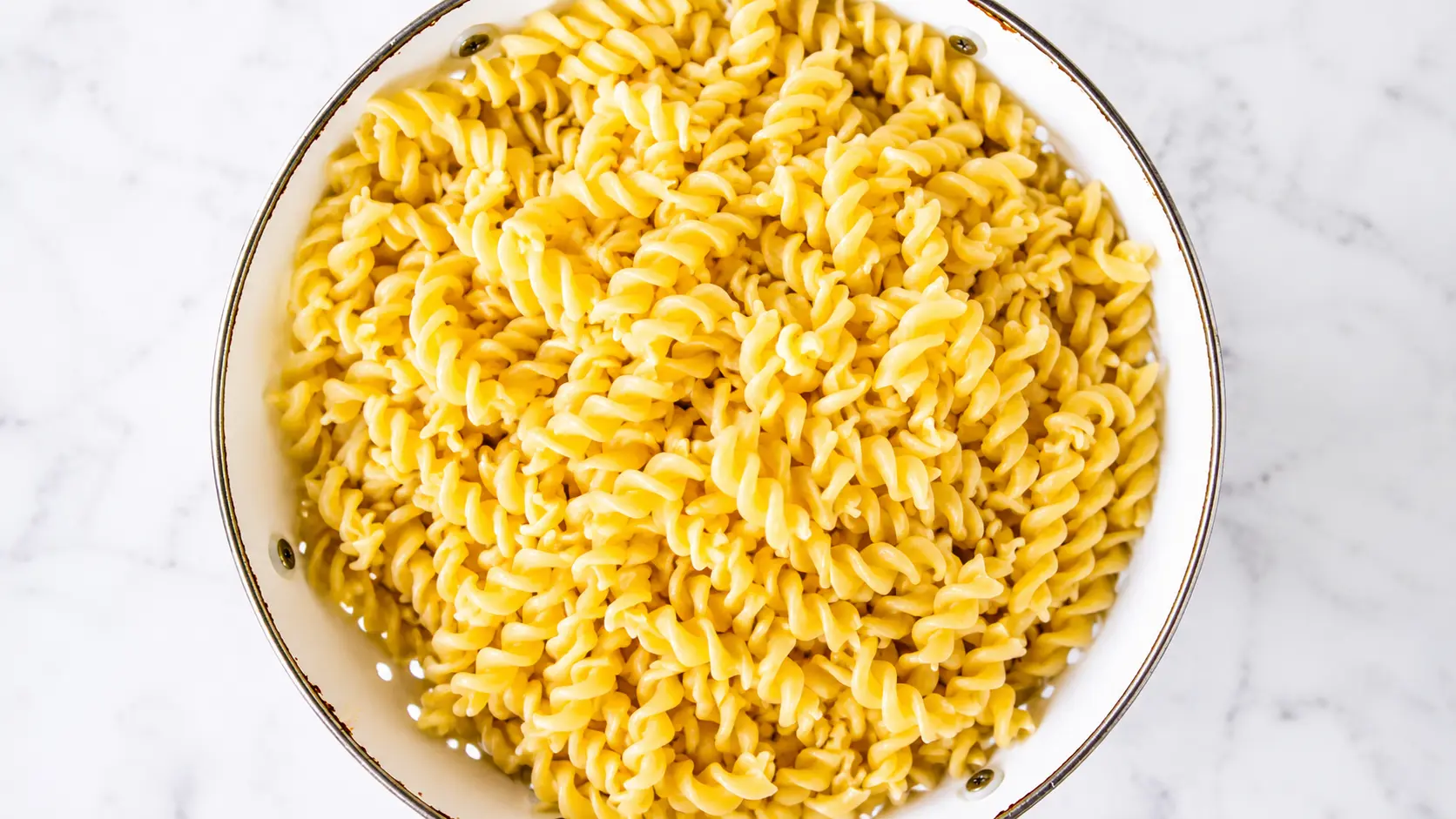
If you make pasta ahead, store it covered in the refrigerator for three to four days. For the best texture, keep it lightly coated with olive oil. When reheating, add the pasta to warm sauce or a skillet with a splash of hot water. Stir gently until heated through.
Microwave Pasta Questions Home Cooks Ask
How to cook pasta on the stove gives you the most control, especially for a full pound. Still, many home cooks need a smaller shortcut. You can cook pasta in microwave portions when you only want one bowl or when your stove feels crowded.
Still, how to cook pasta on the stovetop gives the most steady result for a full batch.
To make microwave pasta, place a small serving of dried pasta in a deep microwave-safe bowl. Cover it with water by at least one inch. Then cook in short rounds, stirring carefully between each round. The bowl gets very hot, so use care when moving it. Taste the pasta before draining, because microwave strength can vary.
A microwave pasta cooker can make the process easier for small servings. It gives the pasta more room than a shallow bowl and often includes marks for water levels. Even so, watch it closely. Starchy water can rise fast, and you do not want a spill.
If you cook pasta in microwave batches often, choose short shapes like elbows, shells, penne, or rotini. They fit better in the bowl and stir more easily than long strands. Microwave pasta works well for quick lunches, but the stovetop method still gives better texture for family meals.
How to cook pasta well always comes back to the same habit: taste before you stop cooking. Whether you use a large pot or a microwave pasta cooker, your bite tells you when the pasta feels right.
FAQs About How to cook pasta
How to cook pasta in the microwave?
You can cook pasta in the microwave by using a deep microwave-safe bowl, enough water, and short cooking rounds. Add a small serving of dried pasta to the bowl, then cover it with water by at least one inch. Place the bowl in the microwave and cook for a few minutes at a time, stirring between rounds. Because every microwave heats differently, start checking the texture near the package time. Use oven mitts when you remove the bowl, because the water will feel very hot. Drain carefully, then add sauce, olive oil, or your favorite toppings. For the best result, taste before you stop cooking.
Can you cook pasta in the microwave?
Yes, you can cook pasta in the microwave, especially when you only need one or two servings. A deep bowl works better than a shallow dish because starchy water rises as it cooks. Add enough water so the pasta has room to soften, then stir several times during cooking. Short shapes, such as elbows, shells, penne, and rotini, usually work best because they fit easily in the bowl and cook more evenly. However, for a full pound of dried pasta, the stovetop method gives better control. Use the microwave for quick lunches, small portions, or busy days when you need something simple.
How do I cook pasta in a microwave?
Add dried pasta to a deep microwave-safe bowl and cover it with water by at least one inch. Add a small pinch of salt if you want more flavor. Cook in short rounds, then stir carefully after each round so the pasta does not clump. Keep checking the texture as it softens. When the pasta tastes tender but still has a little bite, remove the bowl with care and drain it slowly. Then toss the pasta with sauce or olive oil. If the pasta still feels too firm, add a little more water and cook it briefly again.
How to make pasta in the microwave?
To make pasta in the microwave, choose a deep microwave-safe bowl and add a small portion of dried pasta. Cover it with water, leaving extra space at the top of the bowl. Cook in short rounds, stirring between each one. As the pasta cooks, it releases starch, so the water can foam and rise. Watch it closely to prevent spills. Once the pasta tastes tender, drain it carefully. Then add sauce, herbs, butter, olive oil, vegetables, or cheese. This method works well for fast meals, but a large pot still gives better texture when you cook a full family-size batch.
Conclusion
How to cook pasta well comes down to simple habits, steady heat, enough water, and tasting before you drain. Use 6 quarts water for 1 pound dried pasta, bring it to a full boil, add 3 tablespoons salt, then stir after the pasta goes in. From there, let your plan guide the timing. For warm sauce or later use, cook the pasta one minute less than the package says. For cold salad, cook it to the package time, then cool it briefly and toss it with olive oil.
I love recipes like this because they remind me that good cooking does not need to feel complicated. It needs attention. Taste before you drain. Stir when it matters. Trust the feel of the pasta. Once you learn that rhythm, a simple pot of pasta can carry dinner with confidence.
1 thought on “How to Cook Pasta Perfectly: Simple, Happy Results Every Time”