
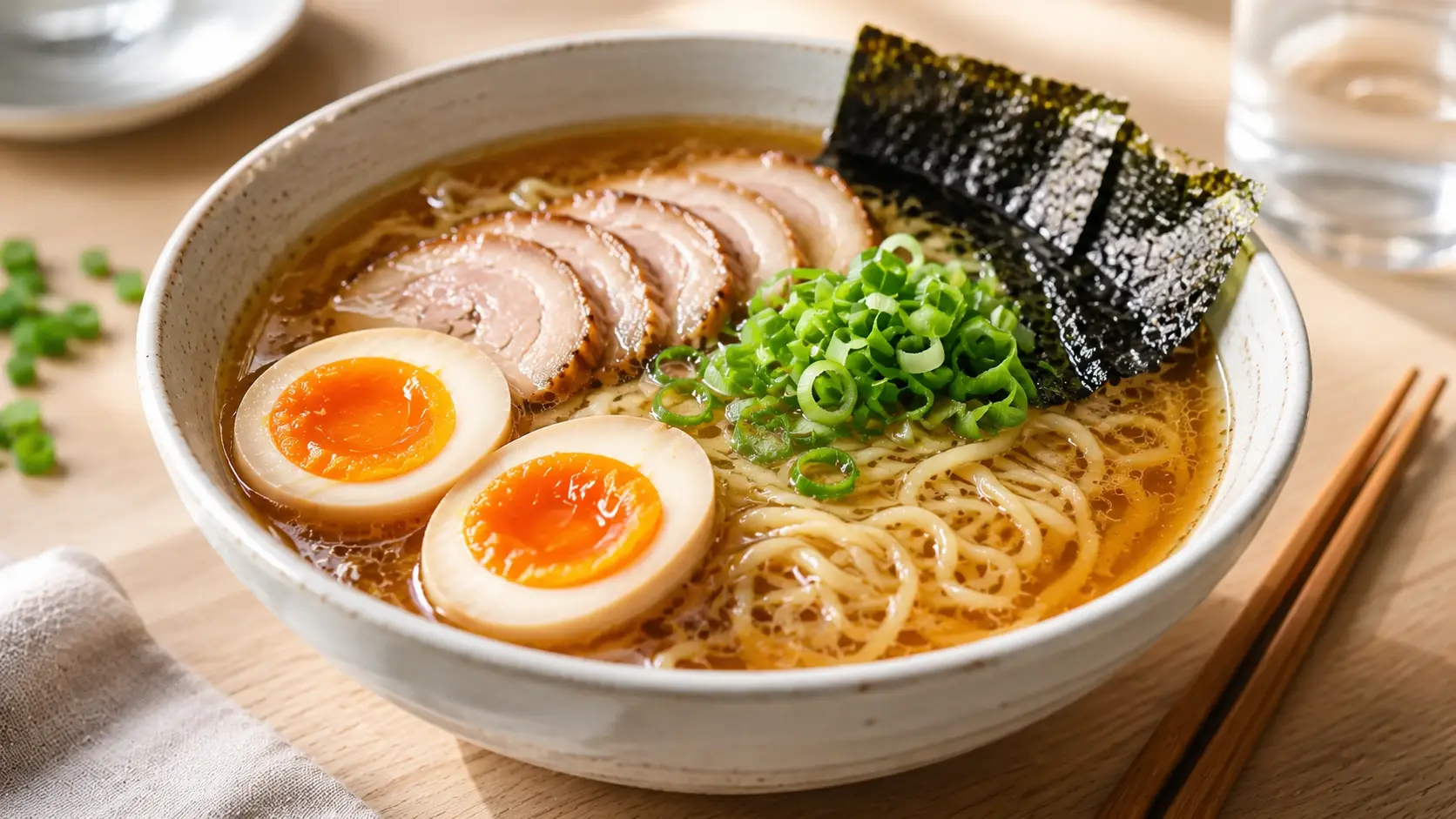
There’s a particular kind of quiet that settles over my kitchen when a pot of broth is simmering low and slow. Steam curls up, the windows fog, and the whole house starts to smell like something good is coming. That’s the magic of a homemade ramen broth recipe. It’s not fancy or fussy. It’s just patience, a handful of honest ingredients, and a method that rewards you with deep, soul-warming flavor.
This guide walks you through everything you need to build a truly memorable bowl, whether you’re craving a classic Japanese ramen broth recipe with chicken and dashi, a cozy miso ramen broth, a bold shoyu ramen broth recipe, or a veggie ramen broth that’s just as satisfying. We’ll cover where this love of broth comes from, the ingredients that make it sing, the step by step cooking method, timing options for any night of the week, how to serve it up with noodles and toppings, storage tips, and answers to the questions people ask most. By the end, you’ll have everything you need to call this your best ramen broth recipe.
Ramen Broth Recipe Story, Flavor, and Kitchen Roots
A Blue Ridge Kitchen Memory Behind This Ramen Broth Recipe
Some of my favorite cooking memories come from chilly evenings here in the Blue Ridge foothills, when the air turns sharp and all I want is something warm and deeply flavored to eat with a spoon. I grew up around diners and small kitchens where nobody measured anything by the book. You learned to taste, adjust, and trust your senses. That’s exactly the spirit I bring to this ramen broth recipe.
Building a pot of broth from scratch reminds me of those early days, standing at the stove, watching a pot for hours, learning that good food often just needs time. There’s no shortcut for that slow transformation when bones, water, and aromatics turn into something rich and savory. This ramen broth recipe is built on that same philosophy: respect the ingredients, give them room to do their thing, and keep tasting along the way.
What I love most about this ramen broth recipe is how forgiving it is. You can let it simmer gently for hours while you read, write, or potter around the kitchen doing other things. It’s the kind of cooking that fits into a real life, not just a cooking show. And when you finally ladle that broth over noodles, you’ll understand why so many people consider this their go to ramen broth recipe.
Why Homemade Ramen Broth Tastes Better
Store-bought broth has its place, sure. But it can’t compete with what happens when you build flavor in layers yourself. Homemade broth lets you control everything: how rich it gets, how salty, how aromatic, and what kind of personality each bowl has.
The layering is what makes the difference. You start with a base, usually bones or vegetables, then add aromatics like ginger, garlic, and onion. Each ingredient contributes something different. Bones bring body and a silky texture from natural collagen. Aromatics bring brightness and warmth. Mushrooms and seaweed bring that deep umami quality that makes you want another spoonful before you’ve finished the first.
Salt balance matters too. When you make broth at home, you season at the very end, or even in the bowl itself, so you’re never stuck with something too salty or too flat. You taste, you adjust, you taste again. That kind of control simply isn’t possible with anything from a carton or packet.
And then there’s aroma. A simmering pot fills your kitchen with warmth long before the first bowl is ready. That sensory experience, the smell of ginger and garlic mingling with savory broth, is part of why this kind of cooking feels so comforting. It’s not just about the final product. It’s about the whole process.
Best Ramen Broth Recipe

Ingredients
- 2 to 3 pounds chicken bones or chicken wings
- 1 whole onion peeled
- 4 cloves garlic smashed
- 1 thumb-size piece ginger sliced
- 3 to 4 scallions cut into large pieces
- 1 piece kombu about 10 grams
- 5 dried shiitake mushrooms
- 3 to 4 liters cold water
- 2 tablespoons soy sauce plus more to taste
- 1 to 2 tablespoons miso paste optional
- 1 teaspoon sesame oil optional
Instructions
- Step 1: Place chicken bones or wings in a large pot and cover with cold water. Bring to a boil, then immediately reduce to a gentle simmer.
- Step 2: Skim off foam and scum from the surface regularly during the first 20 to 30 minutes.
- Step 3: Add onion, garlic, ginger, scallions, kombu, and dried shiitake mushrooms. Let simmer gently, undisturbed, for 3 to 5 hours.
- Step 4: Begin tasting as the broth develops. Add soy sauce gradually, then stir in miso if using, tasting between each addition.
- Step 5: Once the flavor is balanced, strain the broth through a fine mesh sieve. Strain again through a cloth-lined sieve for extra clarity if desired.
- Step 6: Finish with a touch of sesame oil if desired. Serve hot over noodles with your favorite toppings.
Notes
| Nutrition Item | Amount Per Serving |
|---|---|
| Serving Size | 2 cups broth |
| Calories | 120 |
| Sugar | 3g |
| Sodium | 780mg |
| Fat | 7g |
| Saturated Fat | 1.5g |
| Unsaturated Fat | 5g |
| Trans Fat | 0g |
| Cholesterol | 35mg |
| Carbohydrates | 10g |
| Fiber | 2g |
| Protein | 14g |
Best Ramen Broth Recipe Ingredients and Flavor Builders
Core Ingredients for a Japanese Ramen Broth Recipe
A great Japanese ramen broth recipe starts with a handful of building blocks, each playing its own role.
Chicken bones or chicken pieces (like wings or carcasses) form the backbone of the broth, contributing richness and that comforting, savory depth. If you’re going meatless, mushrooms and kombu step in to do similar work, adding earthy, umami-rich layers.
Onion adds natural sweetness that rounds out the broth’s edges. Garlic and ginger are essential, they brighten the pot, cut through any heaviness, and keep the flavor lively rather than flat. Scallions, often added toward the end, bring a fresh, slightly sharp note that balances the richness of everything else.
Kombu, a type of dried seaweed, is one of those quiet workhorses. It doesn’t shout, but it adds a deep savory backbone that makes everything else taste more like itself. Dried mushrooms do similar work, especially shiitake, lending an earthy, almost meaty quality.
For seasoning, soy sauce and miso are the two big players. Soy sauce brings a clean, salty, slightly sweet note, while miso adds body, funk, and warmth. A touch of sesame, whether as oil or seeds, rounds things out with nuttiness. Together, these ingredients form the heart of any reliable ramen broth recipe, whether you’re keeping it simple or building something more elaborate.
The rich, savory backbone of this ramen broth recipe comes down to a simple bit of food science: when glutamic acid and inosine acid work together, they amplify each other, creating that unmistakable umami depth. Harvard’s School of Public Health points to this pairing as the key reason umami tastes so satisfying.
Flavor Variations: Miso, Shoyu, Veggie, and Dumpling Ramen
One of the best things about this Japanese ramen broth recipe is how easily it adapts to whatever mood you’re in.
For a miso ramen broth, stir miso paste into your finished broth right before serving. The miso adds a creamy, slightly funky richness that pairs beautifully with garlic, ginger, and a drizzle of chili oil. It’s the kind of bowl that feels like a warm hug on a cold day.
If you’re after a shoyu ramen broth recipe, lean into soy sauce as your main seasoning. Combine it with a touch of mirin or a splash of rice wine for balance, and you’ll get that classic savory-sweet profile that’s become so beloved in ramen shops everywhere.
Want something plant-based? A veggie ramen broth built on kombu, dried shiitake, and aromatic vegetables can be just as deep and satisfying as one made with bones. Simmer it a little longer to coax out maximum flavor, and finish with a touch of soy sauce or miso for that umami punch.
And if you’re feeding a crowd or just want something heartier, dumpling ramen is an easy win. Drop a handful of dumplings into your simmering broth during the last few minutes of cooking. They’ll soak up flavor while adding their own savory filling to each spoonful, turning a simple bowl into something that feels like a full meal.
How to Cook Ramen Broth with Rich, Balanced Flavor
Step-by-Step Method for the Best Ramen Broth Recipe
Start by placing your bones (or mushrooms and kombu, for a veggie version) into a large pot and covering everything with cold water. Bring it slowly to a simmer, never a rolling boil. A gentle simmer keeps the broth from turning cloudy and helps flavors develop without becoming harsh.
As the broth heats, you’ll notice foam and scum rising to the surface. Skim this off regularly, especially during the first 20 to 30 minutes. This step matters more than people realize. It’s the difference between a broth that’s clean and clear versus one that tastes muddy.
Once the broth is simmering steadily and you’ve skimmed the worst of it, add your aromatics: onion, garlic, ginger, and any mushrooms or kombu you’re using. Let everything simmer together, undisturbed as much as possible. Resist the urge to stir too much. A calm pot makes a clear broth.
As you get closer to the finish, start tasting. This is where the magic happens. Add soy sauce a little at a time, tasting between additions. If you want more body, a spoonful of miso can do wonders. Adjust salt gradually rather than all at once, it’s much easier to add more than to fix an overly salty pot.
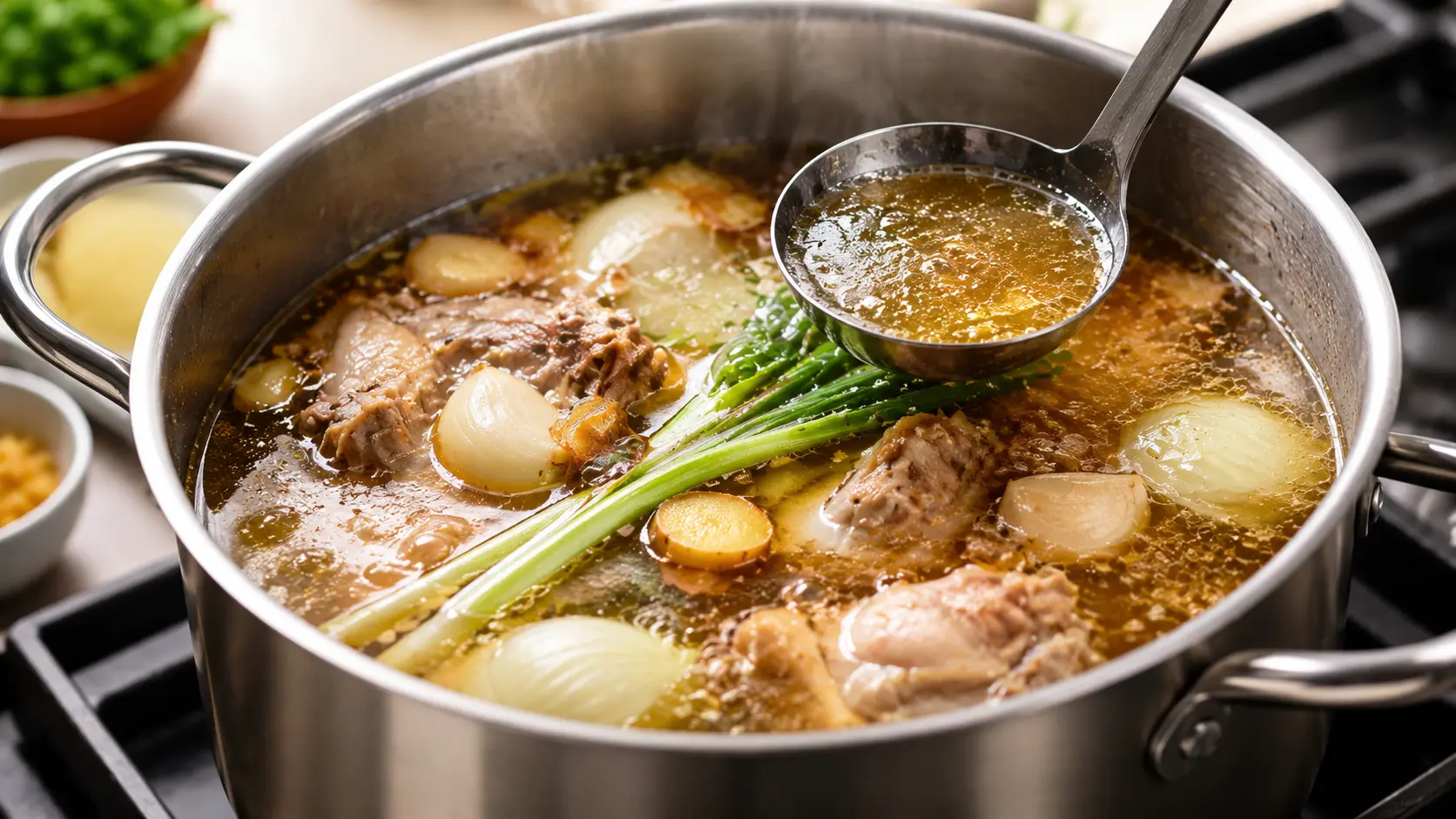
Once you’re happy with the flavor, strain the broth through a fine mesh sieve to remove solids. For an extra-clear result, you can strain it a second time through a sieve lined with a clean cloth or paper towel. What you’re left with is a smooth, flavorful base ready for noodles and toppings.
Timing Guide: Slow Broth, Fast Broth, and Weeknight Options
If you have the time, a slow simmer of three to five hours will give you the deepest, most developed flavor. This is the route to take on a lazy weekend when you want your kitchen to smell incredible for hours and you’re not in any rush.
For a faster route that still delivers, a 45 minute to one hour simmer using smaller pieces of chicken or a combination of good stock plus fresh aromatics can get you most of the way there. Simmer quality stock with garlic, ginger, scallions, and dried mushrooms, and you’ll have something that tastes far more developed than the time invested would suggest.
And for genuinely busy weeknights, lean on chicken ramen noodle recipes that start with a good store-bought stock as your canvas. Doctor it up with fresh aromatics, a spoonful of miso or soy sauce, and a quick simmer of 15 to 20 minutes. It won’t replace a long-simmered pot, but it’ll still taste like something you made with care, because you did.
Whichever timing option you choose, the key is tasting before you serve. A broth that’s simmered for five hours still needs a final taste and adjustment, just as much as a 20 minute version does.
Serving, Storage, and Final Notes
How to Serve Ramen Broth with Noodles and Toppings
Once your broth is ready, it’s time for the fun part: building the bowl. Cook your noodles separately according to package directions, then portion them into bowls before ladling the hot broth over top. This keeps the noodles from getting mushy if you have leftovers.
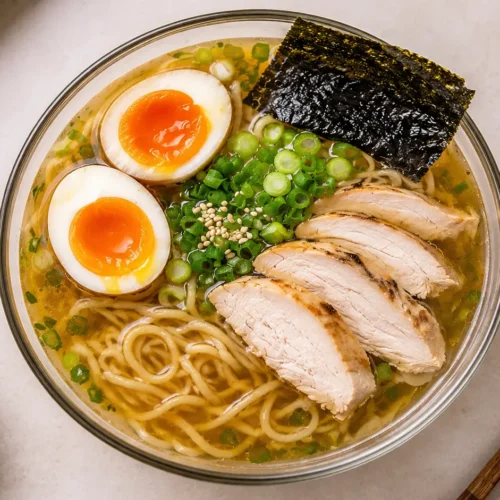
A soft-boiled egg, sliced in half, is a classic addition. The creamy yolk mixes into the broth and adds richness with every bite. Sautéed mushrooms bring an earthy depth that complements whatever broth variation you’ve chosen, while fresh greens, like spinach or bok choy, add color, texture, and a little brightness.
Corn kernels are a popular topping for a reason: their sweetness plays beautifully against savory broth. Scallions, sliced thin, add that fresh sharpness we talked about earlier. A drizzle of chili oil brings warmth and a little kick, while a sprinkle of sesame seeds adds texture and nutty flavor.
If you’ve made dumplings to go with your dumpling ramen, drop them into the hot broth for the last few minutes of cooking, or simmer them separately and add to each bowl. Fresh herbs, like cilantro or even a few torn basil leaves, can add an unexpected but welcome brightness right before serving.
Make-Ahead Tips, Storage, and Final Cooking Notes
This broth is wonderful for meal prep because it actually improves with a little time in the fridge. Let it cool completely, then store it in an airtight container for up to four days. The flavors will meld and deepen overnight, so don’t be surprised if it tastes even better on day two.
For longer storage, freeze the broth in portions, individual containers or even large zip-top bags laid flat work well. It’ll keep for up to three months. Thaw it in the fridge overnight or gently on the stove over low heat.
When reheating, bring the broth to a gentle simmer rather than a hard boil, and taste it again before serving. Flavors can mellow or intensify during storage, so a final seasoning adjustment, a splash more soy sauce, a spoonful of miso, often brings everything back into balance.
One important note: always keep noodles separate from the broth when storing. Noodles will continue to absorb liquid and turn soft and mushy if left sitting in broth, even in the fridge. Cook fresh noodles each time you serve, then add the broth right before eating.
Keep in mind that this ramen broth recipe includes ingredients such as fish-based bonito and soy sauce, both of which fall under the major food allergens tracked by the U.S. Food & Drug Administration. If you’re cooking for guests with allergies, it’s worth reading labels closely before you start.
150-Word Short Story Version with Ramen Broth Recipe
I’m Harper Ava, and some of my favorite kitchen memories come from chilly evenings here near Asheville, watching a pot of broth simmer low and slow until the whole house smelled like something wonderful was coming. I grew up in diners and small kitchens where nobody measured by the book, you learned to taste, adjust, and trust your instincts. That’s exactly the spirit behind this ramen broth recipe.
There’s something deeply satisfying about building flavor in layers: bones or mushrooms for body, garlic and ginger for warmth, kombu for that quiet umami depth. Whether I’m making a rich miso bowl, a clean shoyu version, or a veggie broth for plant-based nights, the process stays the same. Slow, patient, and full of little tastes along the way.
This is the kind of cooking that fits into real life, and once you make it, it becomes second nature.
FAQ Section
How to Make Ramen Broth Recipe?
Start with bones or a vegetable and mushroom base, then simmer gently with aromatics like ginger, garlic, and onion. Skim the broth regularly to keep it clear, season gradually with soy sauce or miso, then strain before serving over noodles with your favorite toppings.
What is the difference between chicken broth and ramen broth?
Chicken broth is typically lighter and more simply seasoned, meant as a base for many dishes. Ramen broth is built specifically for ramen bowls, layered with aromatics, umami-rich ingredients like kombu and mushrooms, and finished with a seasoning base, giving it a deeper, more complex flavor designed to stand up to noodles and toppings.
What ingredients are needed to make ramen broth?
A solid ramen broth typically includes chicken bones or pieces, onion, garlic, ginger, scallions, kombu, dried mushrooms, soy sauce, and miso. Sesame oil or seeds often round things out at the end. Vegetarian versions lean on kombu and mushrooms for that same savory depth.
Can you make ramen broth fast?
Yes. Start with a good quality store-bought stock, then simmer it with garlic, ginger, dried mushrooms, and a spoonful of miso or soy sauce for 15 to 20 minutes. Finish with a touch of sesame oil. It’s a shortcut that still tastes like it came from a place that cares.
What broth is best for ramen?
It depends on what you’re craving. Chicken-based broth offers comforting, classic flavor. Veggie broth built on kombu and mushrooms is just as satisfying and entirely plant-based. Miso broth brings creamy richness, while shoyu broth offers a clean, savory-sweet profile. All four are worth having in your rotation.
Conclusion
At the end of the day, this ramen broth recipe is really about trusting your senses. Taste as you go, adjust as needed, and don’t be afraid to make it your own, whether that means leaning miso, going shoyu, keeping it veggie, or loading it up with dumplings. A pot of broth simmering on the stove is one of those small, quiet joys that makes a house feel like home. Once you’ve made this a few times, it’ll become second nature, just another comforting part of your cooking routine, ready whenever you need a little warmth in a bowl.
Follow me on Pinterest for daily new recipes.