
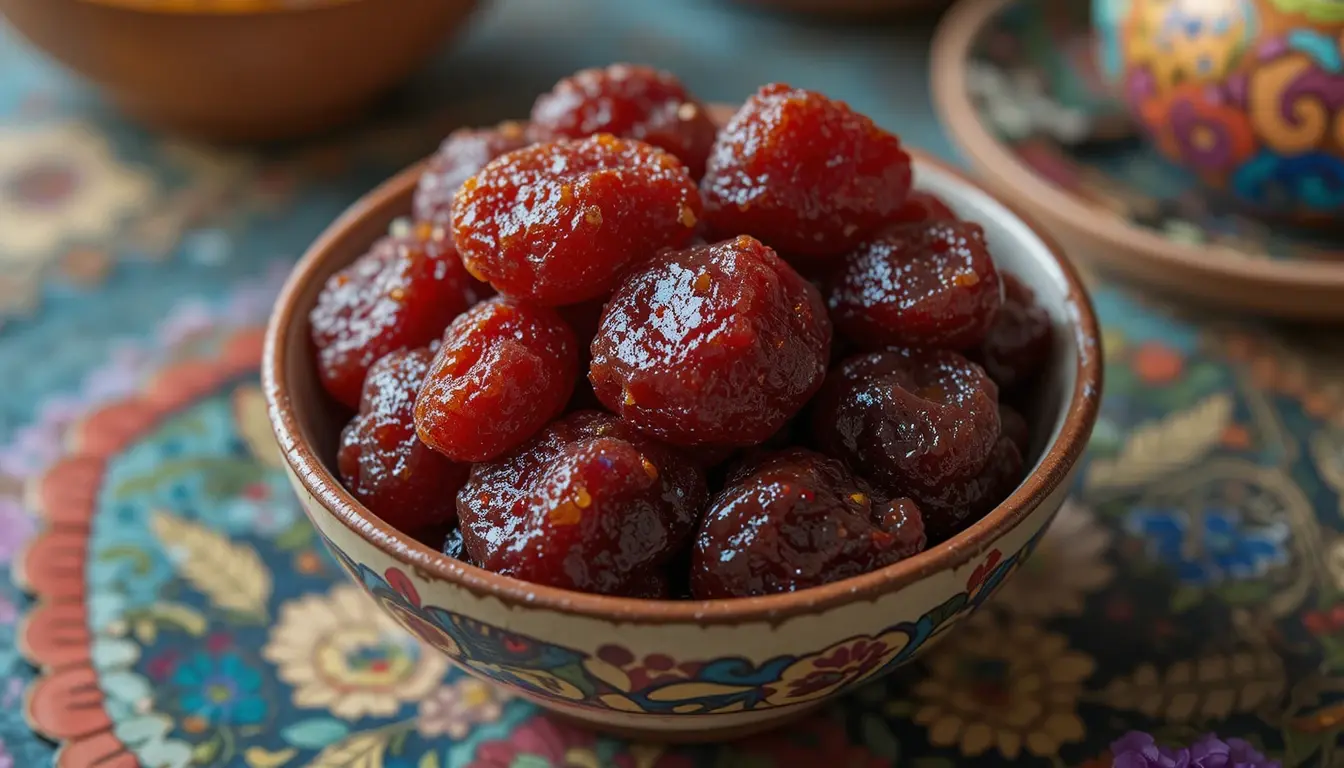
Tamarindo candy has a way of stopping you in your tracks. The first bite hits with tangy sharpness, then sweetness rolls in, followed by a gentle salty warmth that lingers. The first time I tasted tamarindo candy was at a roadside stand outside Asheville, where a local vendor shared snacks inspired by family recipes from central Mexico. That moment stuck with me because tamarind candy does more than satisfy a craving, it tells a story. In this article, we will talk about what tamarindo candy is, why it matters culturally, and how it became such a beloved treat across generations.
Tamarindo Candy and Its Cultural Meaning
What tamarindo candy means in everyday Mexican life
Tamarindo candy holds a steady place in daily Mexican food habits because it feels familiar, affordable, and comforting. People enjoy it on the way home from school, during long bus rides, or while walking through open markets. Tamarind candy does not wait for celebrations. It shows up in ordinary moments, which gives it lasting emotional weight. Many families keep it within reach, tucked into kitchen drawers or small jars, ready to share without ceremony.
Mexican candy tamarindo reflects how food often works in Mexican culture. Flavor matters, but connection matters more. Sweetness blends with tangy depth and a touch of salt, creating a snack that wakes up the senses without feeling heavy. That balance explains why tamarind candy continues to appeal across age groups. It feels bold yet approachable, strong yet familiar. You can see this same everyday comfort in other traditional sweets often highlighted across the dessert stories shared on recipessmoked.com, where food always feels personal.
How childhood memories shape a love for tamarind candy
For many people, tamarindo mexican candy ties directly to childhood memory. A first taste often comes from a street vendor or a family member who knows exactly which kind tastes best. Those early moments leave a mark. As adults, people seek out tamarind candy not only for flavor but for the feeling it brings back. Memory becomes part of the recipe.
Mexican tamarind candy also passes easily from one generation to the next. Parents introduce it to their children the same way it was introduced to them. That sharing builds continuity. Tamarind candy becomes a small lesson in tradition, carried through taste rather than words. Similar generational food stories appear throughout the candy and snack features on recipessmoked.com, where simple treats hold deep meaning through time.
The Origins of Mexican Candy Tamarindo
Where tamarind entered Mexican food culture
Tamarind arrived in Mexico centuries ago through trade routes that connected Asia, Africa, and the Americas. Once the fruit took root, cooks quickly noticed how its natural tangy pulp fit local tastes. Tamarindo candy grew from that discovery. People combined tamarind pulp with sweeteners and salt, shaping a snack that felt exciting and familiar at the same time. Over time, tamarind candy moved from home kitchens into markets and street stalls, where it became part of daily life.
Mexican candy tamarindo reflects how Mexican food culture adapts ingredients without losing identity. The fruit itself came from far away, but the way people prepared it became deeply local. Tamarind candy followed the same path as many traditional snacks. It changed shape, texture, and flavor depending on region and family preference. That flexibility helped tamarind candy spread quickly and stay popular. You can see a similar evolution in other heritage sweets discussed in the traditional snack guides on recipessmoked.com, where outside ingredients gain local character.
How indigenous and colonial influences shaped tamarindo mexican candy
Indigenous food traditions played a strong role in shaping tamarindo mexican candy. Long before packaged sweets existed, people already preserved fruit using sun drying, grinding, and cooking methods. Tamarind fit naturally into those practices. When colonial-era sweeteners became more available, candy makers blended them with tamarind pulp, creating versions closer to what people enjoy today.
Mexican tamarind candy also reflects a cultural love for layered flavor. Sweetness never stands alone. Sour and salty notes stay present, creating contrast that feels intentional rather than accidental. That approach mirrors broader Mexican cooking traditions. Tamarind candy became another way to express that balance. Many modern variations still follow those early principles, even when presentation changes. You will find that same respect for traditional technique across many recipe stories shared on recipessmoked.com, where history continues to shape flavor in meaningful ways.
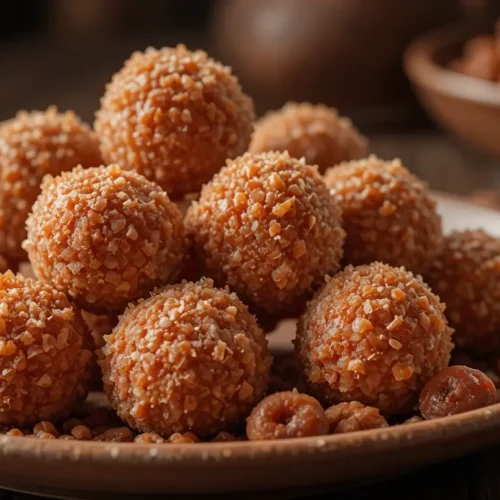
Tamarindo Candy

Ingredients
- 1 pound tamarind pods or prepared tamarind pulp
- 1 cup warm water
- ¾ cup granulated sugar
- ½ teaspoon fine salt
- Optional chili powder for coating
- Optional extra sugar for coating
Instructions
- Remove shells from tamarind pods and separate the pulp from the seeds.
- Place the pulp in a bowl with warm water and let it soften for 20 minutes.
- Mash the softened pulp and strain it to remove fibers and seed bits.
- Transfer the smooth pulp to a saucepan and place over low heat.
- Add sugar gradually, stirring often, until fully dissolved.
- Add salt and continue stirring until the mixture thickens and pulls away from the pan.
- Remove from heat and let the mixture cool slightly until safe to handle.
- Shape into small balls or portions by hand.
- Roll in sugar or chili powder if desired.
- Let the candy rest until fully set before serving or storing.
Notes
Nutrition (Per Serving Approximate)
Calories: 60Sugar: 11g
Sodium: 45mg
Fat: 0g
Saturated Fat: 0g
Unsaturated Fat: 0g
Trans Fat: 0g
Cholesterol: 0mg
Carbohydrates: 15g
Fiber: 1g
Protein: 0g
What Makes Tamarind Candy Taste So Unique
Sweet, sour, salty, and spicy flavor balance in tamarind candy
Tamarind candy stands out because it delivers several flavor sensations at once without feeling confusing. Tamarindo candy starts with a bright tang that comes directly from the fruit. That sour edge wakes up the palate right away. Sweetness follows to soften the sharpness, creating balance rather than masking flavor. A light salty note brings everything together and keeps the candy grounded instead of sugary.
This layered approach explains why mexican tamarind candy feels so satisfying. Each bite changes slightly as you chew, which keeps the experience interesting. Tamarind candy never tastes flat because contrast drives every element. That same idea shows up in many traditional snacks found in the sweets and treats collection on recipessmoked.com, where balance always matters more than intensity.
Texture also shapes how flavor lands. Some tamarind candy stays soft and pliable, allowing flavors to release slowly. Other versions firm up slightly, giving a longer chew that deepens the tang. No matter the form, the flavor structure remains intentional. Tamarindo mexican candy relies on contrast rather than excess, which explains its lasting appeal.
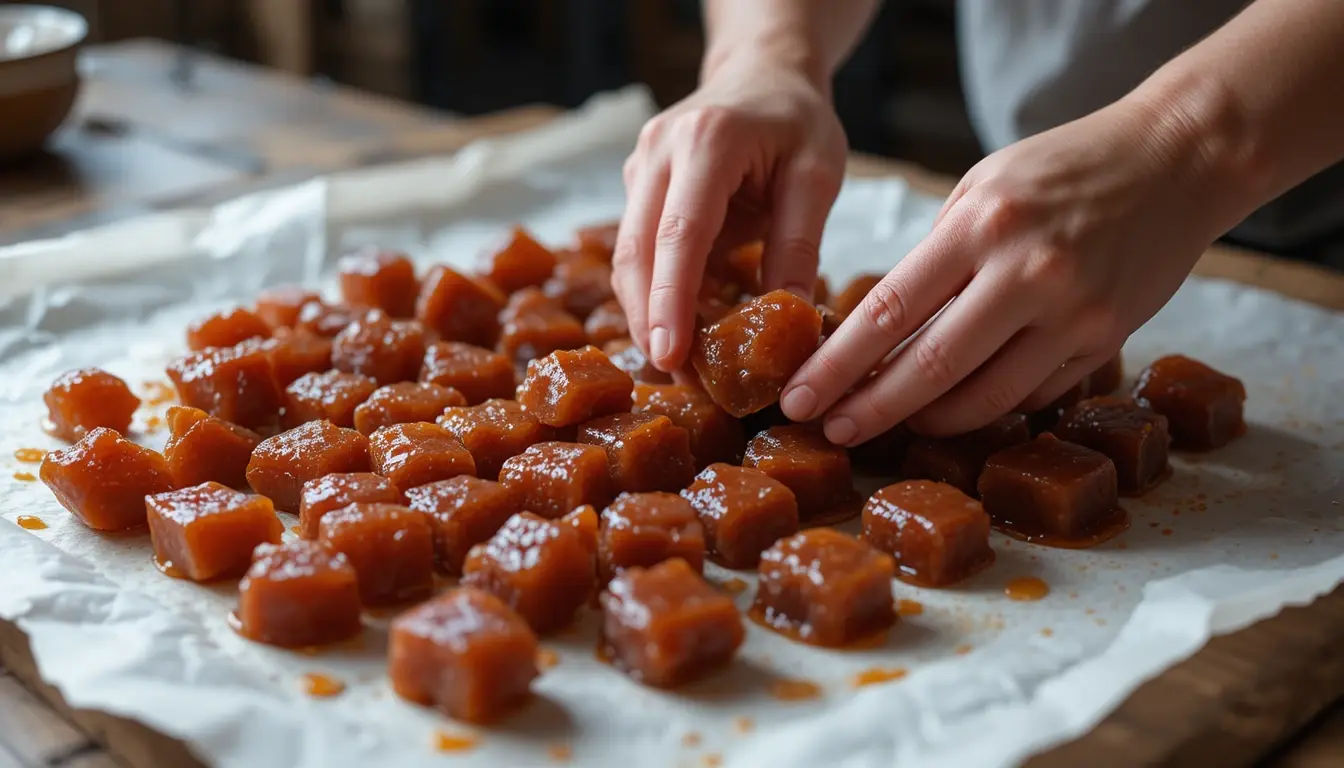
Why mexican tamarind candy feels bold but comforting
Mexican candy tamarindo feels bold because it refuses to play it safe. The sourness shows up clearly. The salt never hides. Yet the candy still feels comforting because those flavors feel familiar. Many people grow up tasting similar balances in everyday meals, drinks, and snacks. Tamarind candy mirrors those experiences in a smaller, sweeter form.
That comfort explains why people return to tamarind candy again and again. It delivers excitement without shock. The flavors feel alive but never overwhelming. Mexican tamarind candy invites you in rather than challenging you. You can see the same approach in other nostalgic treats featured throughout recipessmoked.com, where bold flavor always comes with warmth and memory.
Popular Types of Mexican Tamarindo Candy
Soft, chewy, and paste-style tamarindo candy forms
Tamarindo candy appears in several forms, each offering a slightly different experience while keeping the same bold flavor core. Soft and chewy versions remain the most familiar. These candies bend easily and release flavor slowly as you chew. Many people prefer this texture because it allows the tangy sweetness of tamarind candy to develop gradually.
Paste-style tamarind candy also holds a strong following. This version often comes packed in small containers or wrapped portions, ready to squeeze or spoon. The texture feels smooth and dense, which makes the flavor feel more concentrated. Mexican candy tamarindo in paste form often reminds people of homemade snacks prepared in family kitchens. Similar texture-focused traditions appear in other fruit-based treats highlighted in the dessert and snack guides on recipessmoked.com, where consistency matters as much as taste.
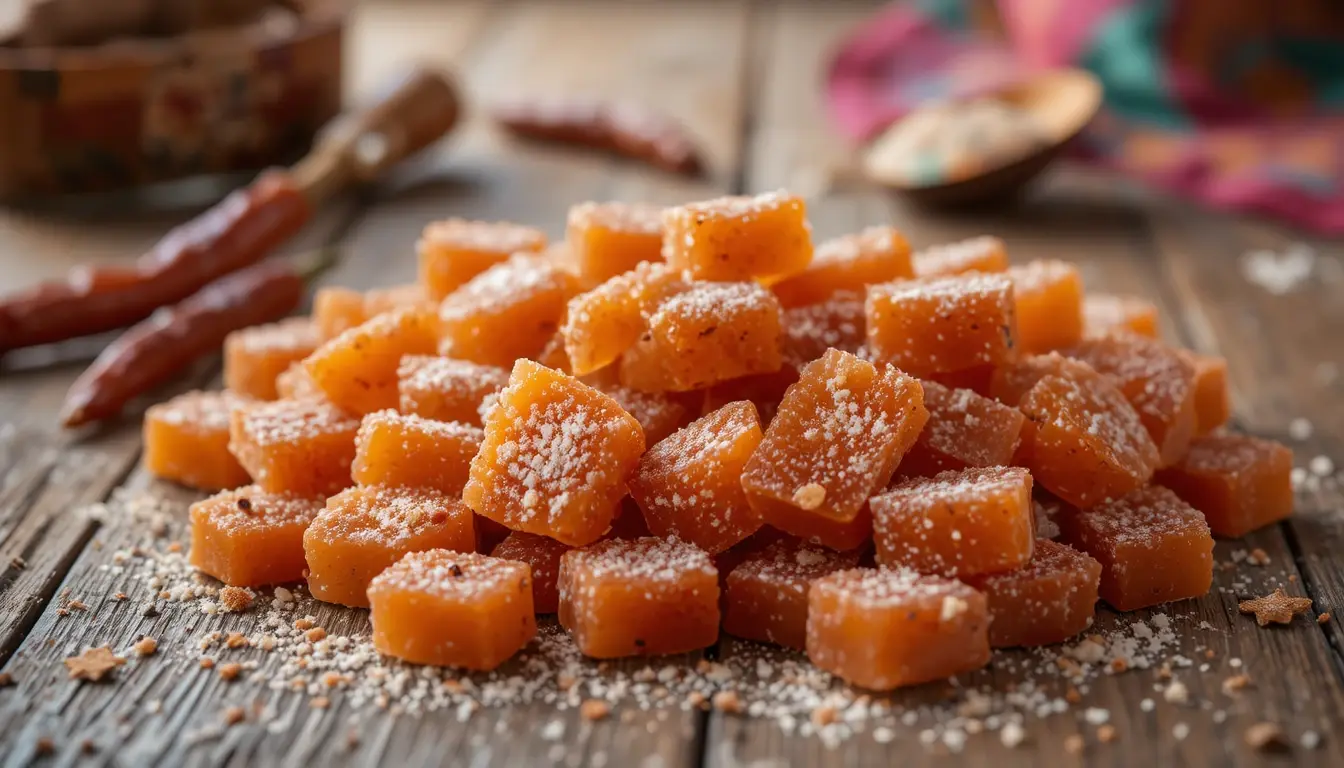
Regional differences in mexican candy tamarindo
Mexican tamarind candy changes subtly from region to region. Some areas favor sweeter profiles with softer textures, while others prefer sharper tang and firmer consistency. Climate, local ingredients, and family preference all play a role. Tamarind candy sold in coastal regions often leans brighter and more sour, while inland varieties may feel richer and sweeter.
These regional differences keep tamarindo mexican candy interesting. No single version defines the category. Instead, each style reflects local taste and tradition. That variety explains why people often develop strong preferences based on where they grew up. You will find this same regional influence across many traditional foods explored on recipessmoked.com, where place always shapes flavor.
How to Make Tamarindo Candy Step by Step
Preparing tamarind pulp for candy making
Making tamarindo candy at home starts with good tamarind pulp. Many cooks begin with whole tamarind pods, removing the shells and separating the sticky fruit from the seeds. Others choose ready tamarind pulp for convenience. Both approaches work well as long as the pulp tastes bright and clean. Place the pulp in warm water and gently break it down until it softens into a thick mixture.
Once softened, strain the pulp to remove any remaining fibers or seed bits. This step shapes the final texture of tamarind candy, so patience matters. A smooth base allows the sweet and tangy notes to blend evenly. At this stage, the flavor should taste sharp and fruity. That natural tang gives mexican candy tamarindo its signature bite. You can see similar fruit preparation techniques in other traditional treats shared in the dessert recipes section on recipessmoked.com, where texture always comes first.
Cooking and shaping homemade tamarind candy
After preparing the pulp, transfer it to a saucepan and gently cook it over low heat. Stir often to prevent sticking. Add sweetener gradually, tasting as you go. Tamarind candy works best when sweetness supports the fruit rather than covering it. A small amount of salt helps round out the flavor and keeps the candy balanced.
As the mixture thickens, it will pull away from the pan and hold its shape. At that point, remove it from heat and allow it to cool slightly. Shape the candy by hand into small portions or press it into molds. This step turns the mixture into recognizable tamarindo mexican candy. Once cooled, the candy firms up while staying pleasantly chewy. Storage tips and serving ideas often mirror those used for other homemade sweets found throughout recipessmoked.com, where simple handling keeps flavors true.
Common Mistakes When Making Tamarind Candy
Texture and flavor problems and how to fix them
One common mistake when making tamarindo candy comes from rushing the cooking process. High heat causes the mixture to scorch or stiffen too quickly, which affects both taste and texture. Tamarind candy needs slow, steady heat so the pulp thickens evenly. Stirring often keeps the mixture smooth and prevents bitterness from developing.
Another issue comes from adding too much sweetener too early. Tamarind candy should taste tangy first, with sweetness following gently. When sweetness dominates, the fruit loses its voice. Adjust flavor in small steps and taste frequently. Mexican candy tamarindo works best when sour, sweet, and salty stay in balance. Many home cooks use this same gradual tasting approach in other fruit-based snacks found throughout recipessmoked.com, where restraint leads to better flavor.
Storage tips to keep mexican tamarind candy fresh
Proper storage keeps tamarind candy enjoyable long after it sets. Once fully cooled, store the candy in an airtight container to protect it from moisture. Room temperature works well for short periods, especially in dry environments. For longer storage, refrigeration helps maintain texture without dulling flavor.
Avoid stacking pieces directly on top of each other. Use parchment or wax paper between layers to prevent sticking. Mexican tamarind candy stays chewy and vibrant when handled gently. Similar storage methods apply to many homemade sweets shared on recipessmoked.com, where simple care helps preserve quality and taste.
Is Tamarind Candy Healthy or Just a Treat
Nutritional aspects of tamarind candy
Tamarind candy offers more than flavor, but it still works best when enjoyed in moderation. Tamarindo candy comes from tamarind fruit, which naturally contains fiber, minerals, and plant compounds. Those elements give tamarind candy a slightly more wholesome base than many artificial sweets. The fruit itself supports digestion and adds natural acidity that stimulates the palate.
That said, mexican tamarind candy often includes added sweeteners and salt, which shift it firmly into treat territory. Tamarind candy does not aim to serve as a health food. Instead, it offers a fruit-forward option that feels more grounded than highly processed alternatives. You will notice a similar balance discussed in other fruit-based snack features on recipessmoked.com, where enjoyment and mindfulness work together rather than compete.
When tamarindo candy fits into a balanced diet
Tamarindo candy fits best as an occasional pleasure rather than a daily habit. Small portions satisfy cravings quickly because the flavor stays intense. That intensity helps people feel content with less, which supports mindful snacking. Tamarind candy pairs well with meals or as a post-lunch treat when the palate wants contrast rather than richness.
For those who value traditional foods, mexican tamarind candy also supports cultural connection. Food nourishes more than the body. It supports memory and belonging. That emotional benefit carries weight when enjoyed responsibly. Many traditional treats featured on recipessmoked.com follow this same idea, where balance allows enjoyment without excess.
Why Mexicans Eat Tamarind So Often
Tamarind in snacks, drinks, and daily food traditions
Tamarind appears frequently in Mexican food traditions because its flavor works across many forms. People enjoy it in snacks, candies, sauces, and refreshing drinks. Tamarindo candy represents just one expression of that versatility. The fruit’s tangy profile cuts through sweetness and richness, which makes it useful in everyday eating rather than only special dishes.
In many households, tamarind-based treats sit alongside fresh fruit or seeds as casual snacks. Tamarind candy fits naturally into that rhythm. It refreshes the palate and satisfies cravings without feeling heavy. Mexican candy tamarindo reflects how flavor variety shapes daily food habits. You can see that same everyday integration of bold ingredients in other traditional food stories shared on recipessmoked.com, where snacks feel intentional rather than indulgent.
Why tamarind candy remains popular across generations
Mexican tamarind candy continues to thrive because it connects people through shared taste. Parents introduce it to children, friends exchange favorite brands, and travelers bring it home as a familiar comfort. Tamarind candy adapts easily to changing preferences while keeping its core flavor intact. That balance helps it remain relevant year after year.
Tamarindo mexican candy also supports identity. Eating it feels like participating in a tradition rather than following a trend. The flavor stays rooted, even as packaging and presentation evolve. Many enduring foods featured on recipessmoked.com follow this same pattern, where tradition carries forward through taste and memory.
Frequently Asked Questions
What is tamarindo candy?
Tamarindo candy is a traditional Mexican sweet made from tamarind fruit pulp combined with sweetener and salt. It delivers a bold balance of tangy, sweet, and lightly salty flavors. Tamarind candy comes in soft, chewy, or paste-like forms and plays a familiar role in everyday snacking across Mexico.
How to make tamarindo candy?
To make tamarindo candy, cooks soften tamarind pulp in warm water, strain it smooth, then cook it gently with sweetener and a small amount of salt. The mixture thickens over low heat and is shaped once cooled slightly. Homemade tamarind candy relies on slow cooking and careful tasting to keep flavors balanced.
Is tamarind candy healthy?
Tamarind candy starts with real fruit, which provides natural acidity and some fiber. However, added sweeteners mean it works best as an occasional treat. Tamarindo candy fits well into a balanced diet when enjoyed in small portions and appreciated for flavor rather than nutrition alone.
Why do Mexicans eat tamarind?
Mexicans eat tamarind because its tangy flavor complements many foods and snacks. Tamarind appears in candies, drinks, and sauces, offering contrast and freshness. Tamarind candy reflects a broader cultural preference for layered flavors that feel lively and satisfying.
Conclusion
Tamarindo candy tells a story far larger than its size. It reflects how Mexican food culture values balance, memory, and everyday enjoyment. From its global origins to its deeply local expressions, tamarind candy remains a snack that connects generations through shared taste. Whether enjoyed homemade or store-bought, tamarindo candy offers tang, sweetness, and comfort in every bite. Its lasting popularity comes from more than flavor alone. It comes from tradition, familiarity, and the simple joy of a treat that feels both bold and rooted.
1 thought on “Tamarindo Candy and the Cultural Love for Tangy Sweets”